
Introduction In the competitive landscape of biotechnology and advanced materials research, the speed of discovery is often limited by the quality of the laboratory environment. A modern laboratory cleanroom solution must provide more than just particle control; it must offer the flexibility to adapt to evolving research protocols while ensuring absolute operator safety. From academic research centers to corporate R&D hubs, modular engineering is redefining how discovery spaces are built.
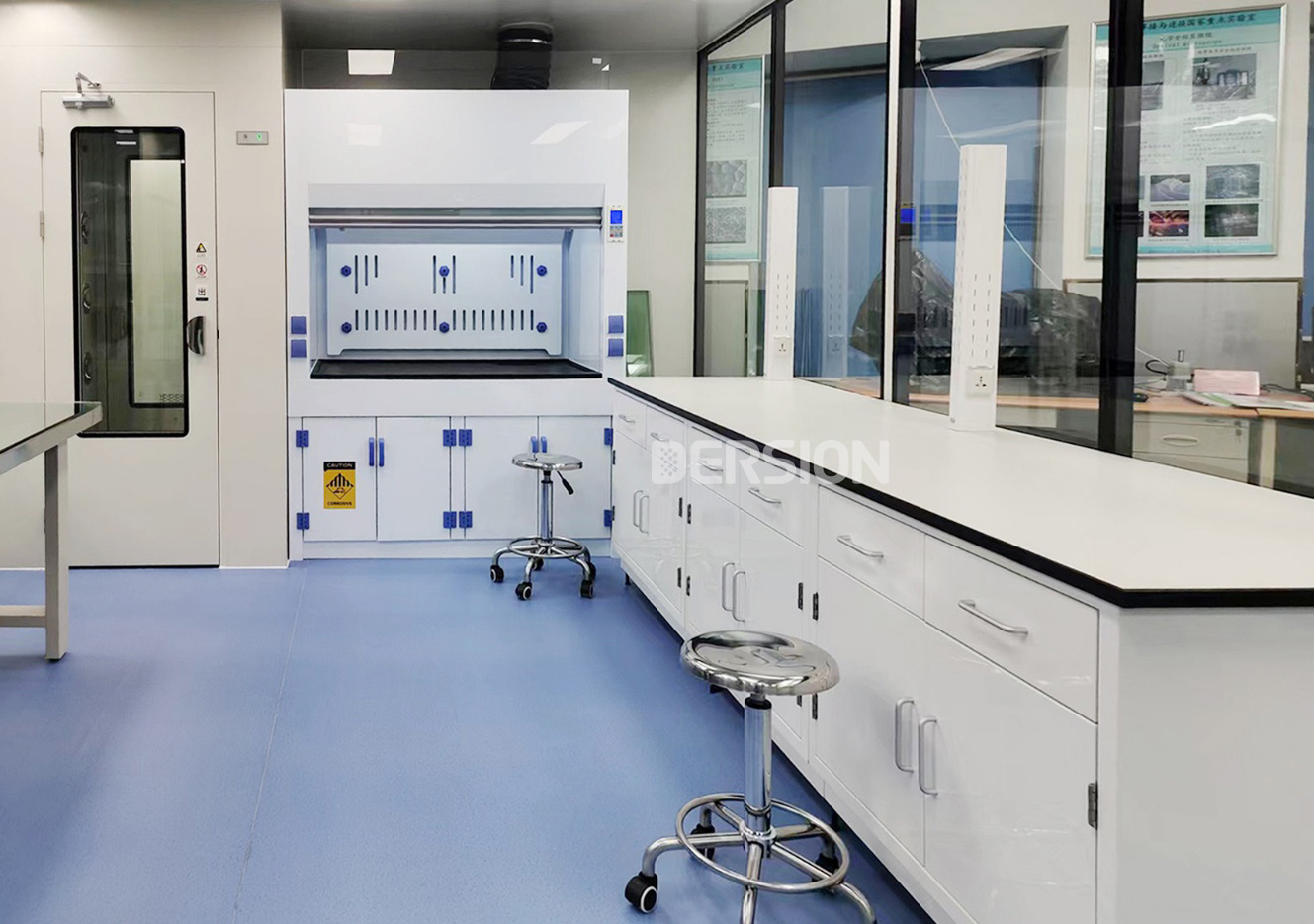
Research environments differ from fixed production lines due to their need for frequent reconfiguration.
- • Modular Flexibility: Unlike permanent drywall labs, Dersion’s Modular Cleanroom Solutions allow researchers to expand or re-tool a lab within days. This is critical for startups moving from the “Proof of Concept” stage to pilot production, where maintaining consistent GMP compliance is a future requirement.
- • Specialized Surfaces: R&D often involves harsh chemicals. Our lab systems utilize chemical-resistant HPL or stainless steel panels that withstand aggressive decontamination protocols.
For biotech labs handling viral vectors or active cultures, air containment is the priority.
- • Pressure Gradient Control: Utilizing principles from Negative pressure cleanroom design, our R&D facilities ensure that hazardous substances are contained within the designated research zone, protecting the outer facility and the public.
- • Equipment Integration: We provide seamless interfaces for biosafety cabinets (BSCs), fume hoods, and specialized lab benches, ensuring that the airflow patterns are not disrupted by large research equipment.
Whether catering to the Germany & European market or academic institutions in the US, compliance with ISO 14644 and localized safety codes is essential. Dersion provides the documentation and validation support needed to meet grant requirements and international safety audits.
Sensitive research, such as genomics or nanotechnology, requires ultra-stable thermal conditions. Dersion’s lab-grade HVAC systems minimize vibration and maintain temperature fluctuations within ±0.5°C, providing the stability required for precision instrumentation.
A cleanroom for research is an investment in the future. By choosing a high-performance biotech cleanroom laboratory that prioritizes safety, scalability, and technical precision, R&D organizations can focus on what matters most: innovation.
Post time: Sep-09-2026