
Introduction While most cleanrooms are designed to protect the product from the environment (positive pressure), negative pressure cleanroom design is engineered to protect the personnel and the environment from the product. These facilities are critical for handling hazardous biological agents, cytotoxic drugs, or highly potent active pharmaceutical ingredients (HPAPIs). At Dersion, we specialize in the rigorous engineering required to ensure that what happens inside the room stays inside the room.
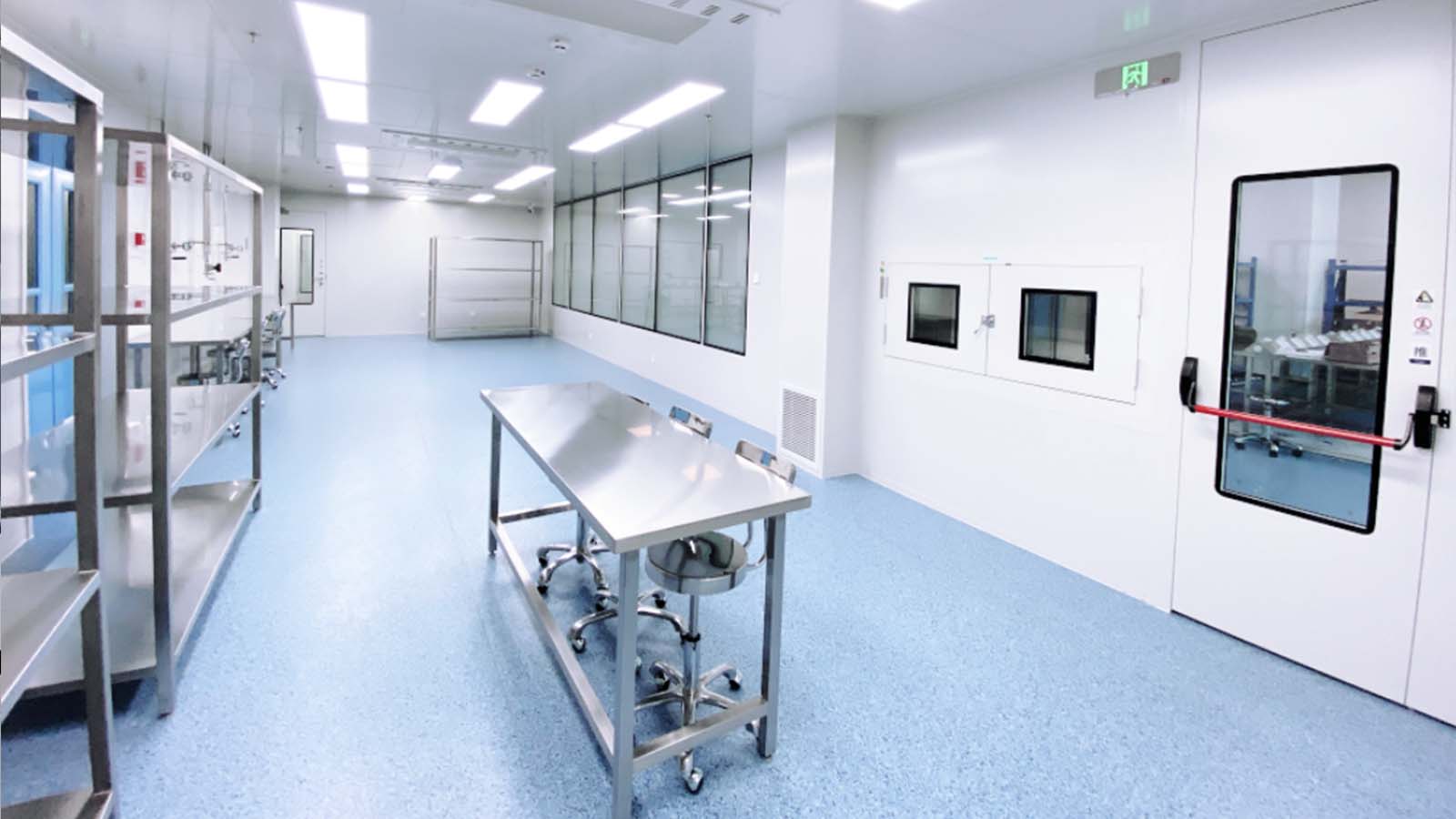
The primary goal is to ensure air always flows from clean, safe areas into the hazardous work zone.
- Pressure Differentials: We maintain a strictly controlled negative pressure gradient (typically -15 Pa to -30 Pa) relative to adjacent zones.
- Pressure Cascades: Dersion’s Modular Cleanroom Solutions utilize precision airlocks and buffer rooms to create a “pressure cascade” that prevents any outward migration of contaminants during personnel entry and exit.
A negative pressure room is only as safe as its seal.
- Airtight Construction: Our modular panels feature interlocking joints with specialized gaskets. Every ceiling penetration for lights or FFUs is meticulously sealed to eliminate potential leak paths.
- Chemical Resistance: For BSL-3 or cytotoxic applications, our HPL and powder-coated panels are designed to withstand intensive gaseous decontamination, such as VHP (Vaporized Hydrogen Peroxide).
Exhaust air from a negative pressure cleanroom must be treated with the same precision as the supply air.
- Safe Filter Changes: Dersion integrates Bag-In-Bag-Out (BIBO) exhaust housing systems. This allows technicians to replace contaminated HEPA filters without exposing the facility or the external environment to hazardous particulates, a core component of your Certification & QA audit.
Failure is not an option in a containment environment.
- Redundant HVAC: Our systems include redundant exhaust fans and automated backup power to ensure the negative pressure is maintained even during equipment maintenance or power outages.
- Real-Time Alerts: Integrated sensors provide real-time visual and audible alarms for any pressure deviations, ensuring absolute safety for the operators.
Conclusion Building a negative pressure facility requires a master-level understanding of engineering, safety, and regulatory requirements. Dersion’s turnkey approach ensures that your high-containment environment is safe, compliant, and ready for the world’s most sensitive research and manufacturing.
External Link
Post time: Aug-19-2026