
Introduction
In pharmaceutical, medical device, electronics, and semiconductor manufacturing, a cleanroom is more than a controlled workspace. It is a complete contamination management system that protects products, processes, employees, and regulatory compliance.
Particles, microorganisms, packaging fibers, equipment residues, personnel activity, and uncontrolled airflow can all affect the performance of a controlled environment. For this reason, contamination control cannot depend on one filter, one cleaning procedure, or one final inspection.
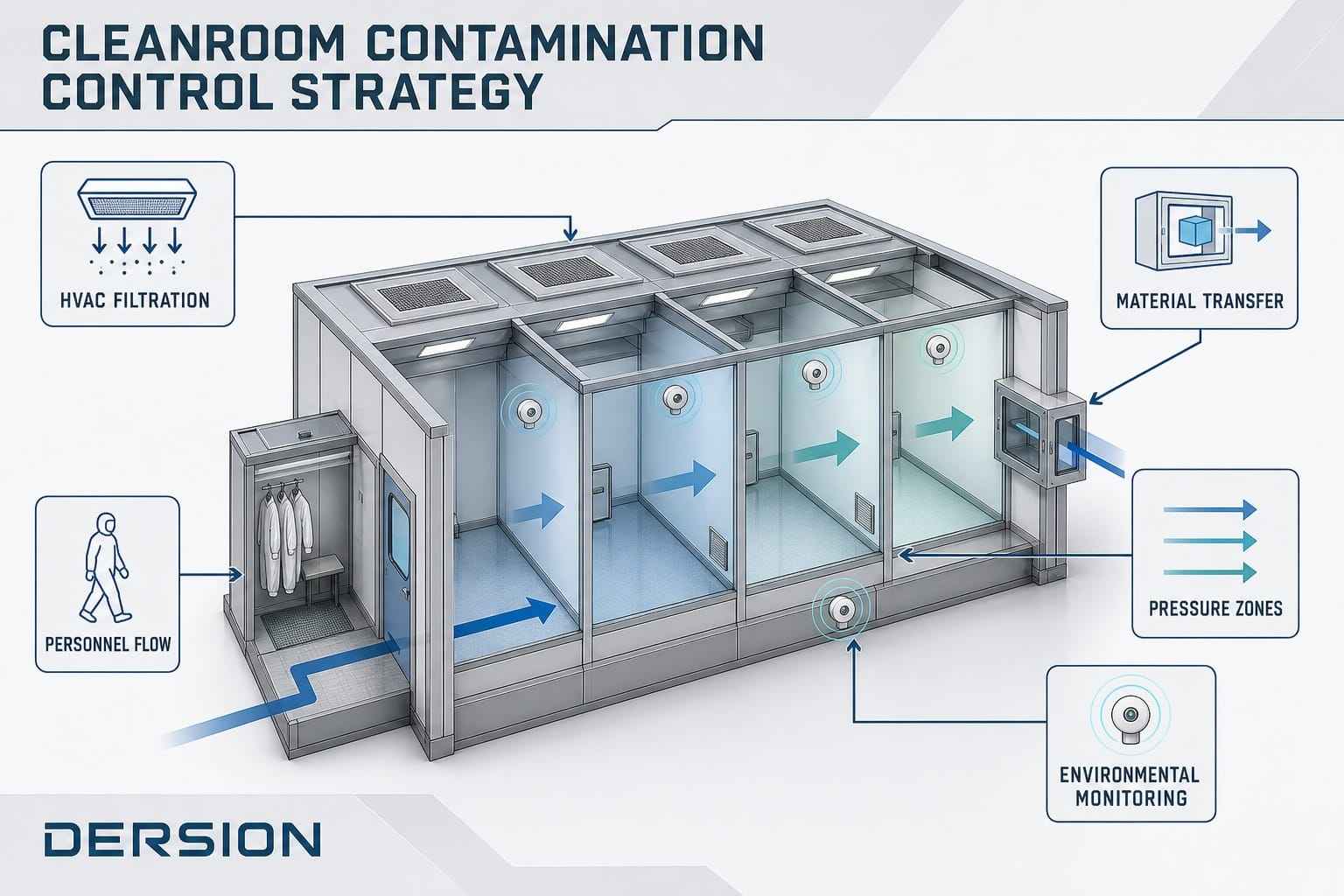
An effective Modular Cleanroom Solutions strategy connects facility design, HVAC, pressure control, personnel movement, material transfer, cleaning, environmental monitoring, and validation into one coordinated system.
The objective is not only to pass an initial cleanroom inspection. The facility must also maintain stable performance during daily production, equipment operation, cleaning, maintenance, and future process changes.
A well-planned contamination control strategy should identify potential contamination sources, define preventive controls, establish monitoring requirements, and specify the actions required when environmental conditions move outside approved limits.
1. Identifying the Main Sources of Contamination
The first step in contamination control is understanding where contamination may originate and how it could move through the facility.
Personnel: One of the most common sources of particles. Incorrect gowning, poor hygiene, and excessive movement can all affect performance.
Materials: Packaging may introduce dust or fibers. Procedures must define cleaning, disinfection, and transfer steps.
Equipment: Can create contamination through heat, vibration, exhaust, or difficult-to-clean surfaces.
Personnel flow should also be considered during the early design stage. Workers should not need to move unnecessarily between clean and less-clean areas. This risk-based approach supports GMP compliance and provides a stronger foundation for audits.
2. Using Facility Design to Reduce Contamination Risk
Facility design provides the physical foundation for contamination control. Room classification, pressure relationships, and personnel flow should be considered as one integrated system.
The room envelope should support cleaning and inspection. Smooth surfaces, sealed joints, and cleanable corners reduce dust accumulation. A flexible modular layout makes it easier to adapt the facility while maintaining room separation.
3. Coordinating HVAC and Pressure Control
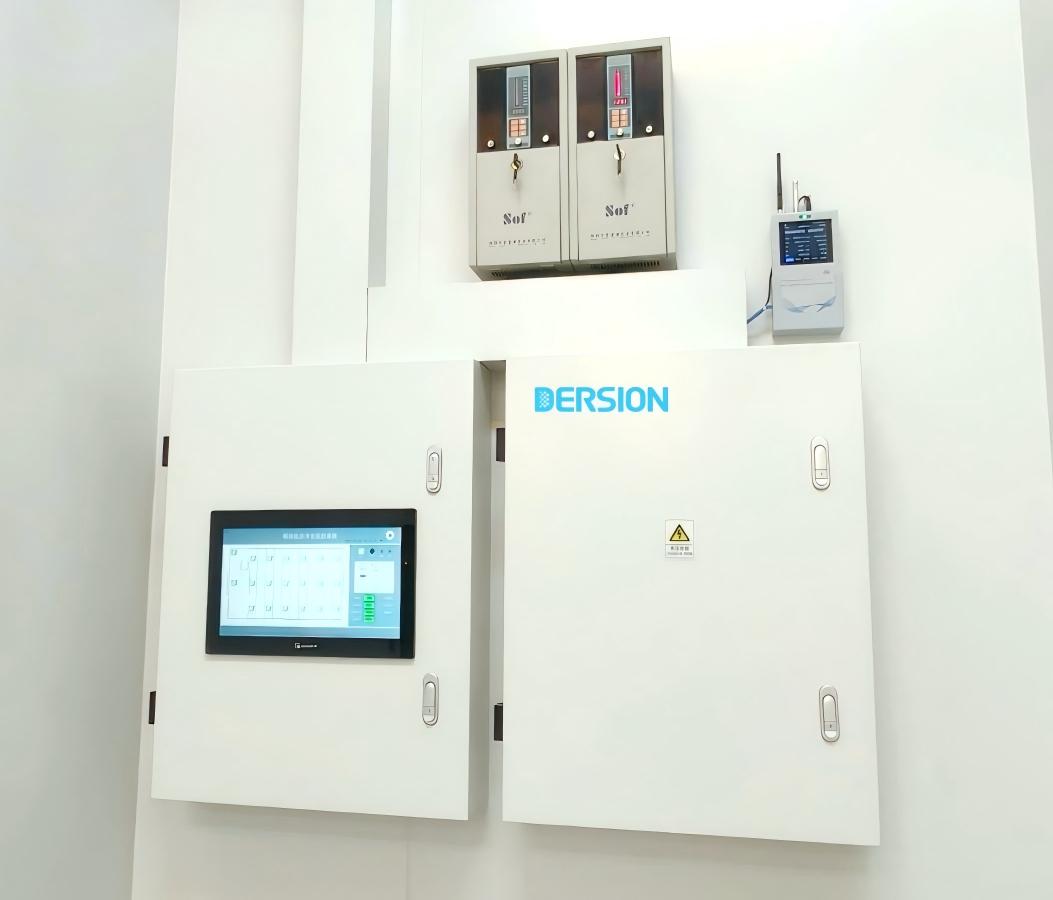
HVAC is one of the primary engineering controls. A properly planned Cleanroom HVAC design should coordinate supply air, HEPA filtration, and pressure differentials.
Key Performance Indicators:
- Airborne particle concentration (per ISO 14644-1)
- Pressure cascade matching contamination objectives
- Temperature and relative humidity stability
4. Managing Personnel and Material Transfer
Personnel and material movement are common pathways for contamination. A controlled personnel route should reduce unnecessary movement and prevent contact between clean and less-clean garments.
Cleanroom Airlocks and Pass Boxes provide a controlled interface between zones. Transfer procedures should define cleaning requirements and interlocking functions to reduce direct air exchange.
5. Combining Cleaning with Environmental Monitoring
A structured cleanroom environmental monitoring program provides data on particles, pressure, and microbial conditions. Monitoring data should be reviewed for trends rather than isolated readings.
For sterile manufacturing, the EU GMP Annex 1 requirements provide an important regulatory reference for contamination control.
6. Validating and Reviewing the Strategy
The cleanroom validation IQ OQ PQ process verifies that the facility and HVAC systems meet requirements. Validation is not a one-time activity; it must be reviewed after any new equipment installation or process change.
7. Adapting Contamination Control to Different Industries
Pharmaceutical
Focus on microorganisms, cross-contamination, and pressure cascades.
Medical Device
Prioritize assembly cleanliness and repeatable production conditions.
Electronics
Combine particle control with ESD protection and humidity management.
Semiconductor
Controls for fine particles, molecular contamination, and vibration.
Conclusion
An effective cleanroom contamination control strategy combines facility design, HVAC, personnel flow, and continuous validation. By designing these elements together, manufacturers can respond to changes more effectively and improve audit readiness.
Dersion can coordinate modular cleanroom design, HVAC, airlocks, pass boxes, and validation requirements as part of an integrated project approach.
Post time: Oct-12-2026