
Factors Affecting the Cost of an Optical Lens Coating Cleanroom
Optical lens coating is a precision process in which one or multiple layers of metallic or dielectric thin films are deposited onto optical components. These coatings are designed to modify optical properties such as reflection, transmission, beam splitting, filtering, and polarization.
Because coating thickness is often only a few microns—or even nanometers—the process is extremely sensitive to environmental contamination.
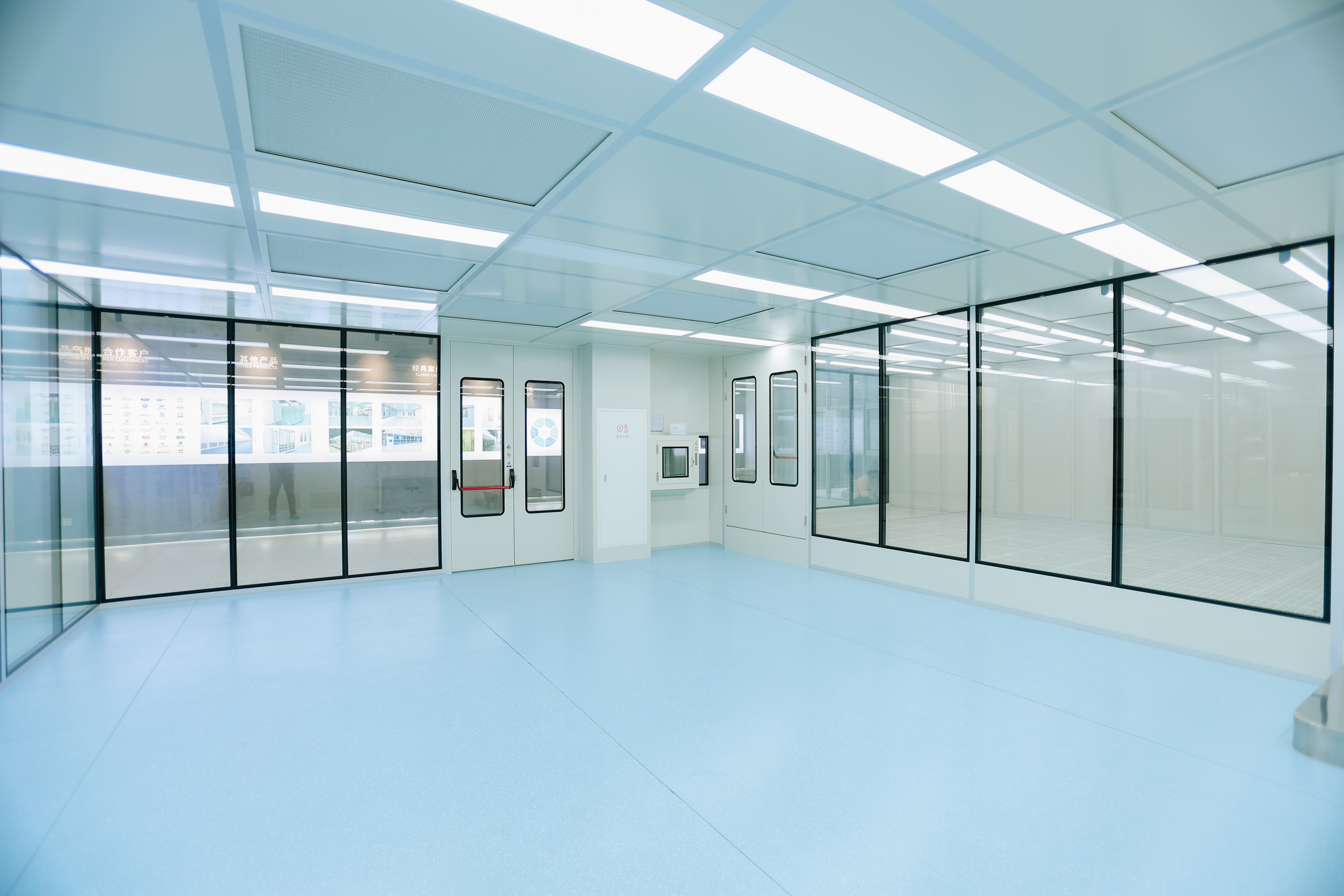
As a result, the construction cost of an optical lens coating cleanroom is influenced by multiple interrelated factors. The most critical drivers include cleanliness level, temperature and humidity control accuracy, materials and equipment selection, and spatial layout design. Below is a detailed analysis.
1. Cleanliness Level (ISO Class)
The cleanroom classification is the primary cost driver in any cleanroom project, and optical coating cleanrooms are no exception.
Common cleanliness levels include ISO Class 5 (Class 100), ISO Class 6 (Class 1,000), ISO Class 7 (Class 10,000), and ISO Class 8 (Class 100,000).
For optical lens coating applications, particulate sensitivity is extremely high. Even microscopic dust particles can cause coating defects, pinholes, or optical performance degradation. Therefore, many coating processes require ISO Class 5 or ISO Class 6 environments, and in some high-end applications, even cleaner conditions.
As the cleanliness level improves by each order of magnitude:
-
Air filtration efficiency requirements increase
-
Air change rates rise significantly
-
Laminar airflow design becomes more complex
In high-grade optical coating cleanrooms, the HVAC and air purification system alone can account for up to 40% of the total project cost, including:
-
HEPA or ULPA filters
-
FFU (Fan Filter Units)
-
Air showers and pass-through systems
These systems substantially increase both initial construction and long-term operational costs.
2. Temperature and Humidity Control Precision
Optical coating processes demand exceptional environmental stability. Standard “constant temperature and humidity” control is often insufficient.
Typical requirements for optical lens coating cleanrooms include:
-
Temperature stability: ±1°C or even ±0.5°C
-
Humidity stability: ±5% RH or tighter
Achieving this level of precision requires:
-
High-accuracy sensors
-
Dedicated constant temperature and humidity air handling units
-
Advanced automation and control systems
Compared with conventional industrial cleanrooms, these enhanced control requirements significantly increase both capital investment and energy consumption, directly impacting overall cost.
3. Materials and Equipment Selection
The quality of cleanroom construction materials directly affects environmental stability, cleanliness retention, and energy efficiency.
Wall and ceiling systems typically use:
-
Color-coated steel panels
-
Sandwich panels (glass magnesium, rock wool, or aluminum honeycomb)
Cost variations arise from:
-
Panel thickness
-
Core material type
-
Fire resistance rating
-
Sealing and installation quality
Flooring systems commonly include:
-
Anti-static epoxy resin flooring
-
PVC cleanroom flooring
Their cost depends on:
-
Material performance
-
Thickness
-
Surface treatment
-
Construction method
In addition, cleanroom-specific components such as:
-
Airtight cleanroom doors
-
Observation windows
-
Air showers
-
Pass boxes
are significantly more expensive than standard industrial alternatives.
It is important to note that cost reduction should never come at the expense of material quality, as inferior materials often lead to higher maintenance and operational risks.
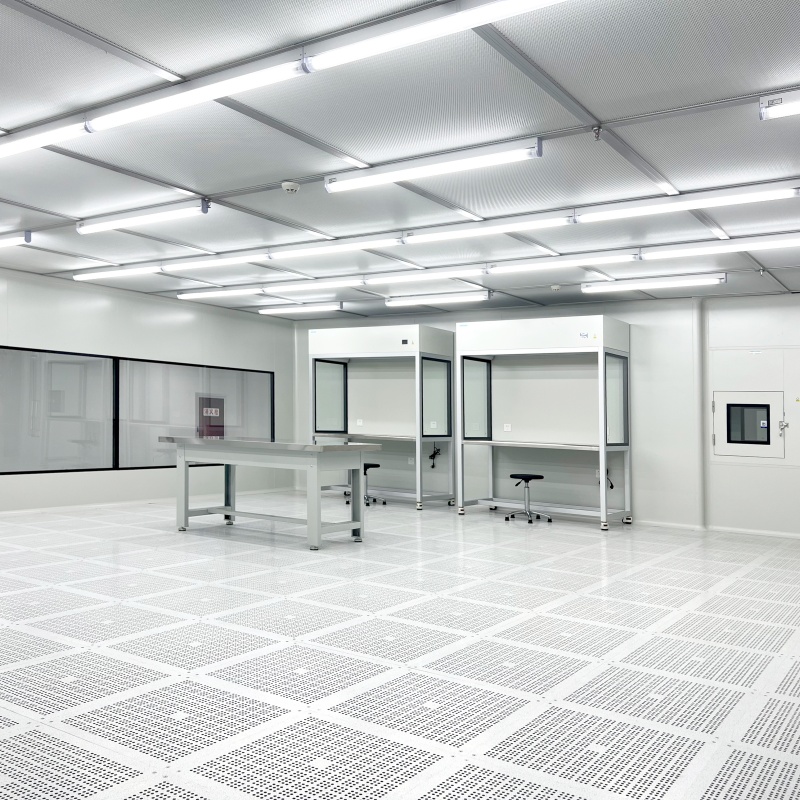
4. Spatial Layout and Functional Zoning
Cleanroom size, shape, and height also play an important role in determining cost.
Key considerations include:
-
Smaller cleanrooms typically have higher cost per square meter due to minimum system configuration requirements
-
Irregular layouts increase airflow design complexity
-
Higher ceiling heights raise HVAC and structural costs
A well-optimized layout can significantly reduce investment. For example:
-
Core coating areas designed as ISO Class 5 or 6
-
Auxiliary areas (buffer zones, gowning rooms, storage) designed as ISO Class 7 or 8
This graded cleanliness zoning strategy allows manufacturers to meet process requirements while controlling overall construction and operating costs.
Conclusion
The cost of an optical lens coating cleanroom is not determined by a single factor, but by the dynamic balance between cleanliness level, environmental control precision, material and equipment quality, and spatial design efficiency.
A professionally engineered solution—tailored to the specific coating process—can ensure optical performance, regulatory compliance, and long-term cost efficiency.
Post time: Dec-19-2025