
IVD Cleanroom Design Guide: ISO Standards and Modular Solutions
In vitro diagnostic (IVD) products such as test kits, reagents, and diagnostic devices must be manufactured in highly controlled environments to ensure product accuracy, reliability, and regulatory compliance.
An IVD cleanroom provides a controlled environment where airborne particles, microorganisms, temperature, and humidity are strictly regulated. These environments are essential for preventing contamination during the production and packaging of diagnostic products.
In this guide, we explain the key aspects of IVD cleanroom design, including ISO cleanroom classification, HVAC systems, facility layout, and modern modular cleanroom solutions.
Why Cleanrooms Are Critical for IVD Manufacturing
IVD products are widely used in clinical diagnostics, laboratory testing, and disease detection. Because these products directly influence medical decisions, manufacturing quality is extremely important.
Contamination during production may lead to:
- inaccurate diagnostic results
- reduced product stability
- regulatory non-compliance
- product recalls
Cleanrooms ensure that IVD manufacturing environments remain stable and contamination-free.
Typical IVD manufacturing processes requiring cleanrooms include:
- diagnostic reagent production
- test kit assembly
- lateral flow assay manufacturing
- cartridge assembly
- sterile packaging of diagnostic products
IVD Cleanroom Standards and Regulations
Although IVD manufacturing does not always require sterile pharmaceutical environments, it must comply with strict quality standards.
Key regulations include:
ISO 14644 Cleanroom Standards
ISO 14644 defines airborne particle limits for cleanroom environments.
Typical classifications used in IVD production include:
| ISO Class | Typical Application |
|---|---|
| ISO 7 | reagent preparation and kit assembly |
| ISO 8 | packaging and support areas |
ISO standards help ensure consistent environmental control.
ISO 13485 Medical Device Quality System
Most IVD manufacturers operate under ISO 13485, the international quality management standard for medical devices.
Cleanroom environments must support:
- contamination control
- traceability
- validated manufacturing processes
- environmental monitoring
These requirements ensure reliable diagnostic product performance.
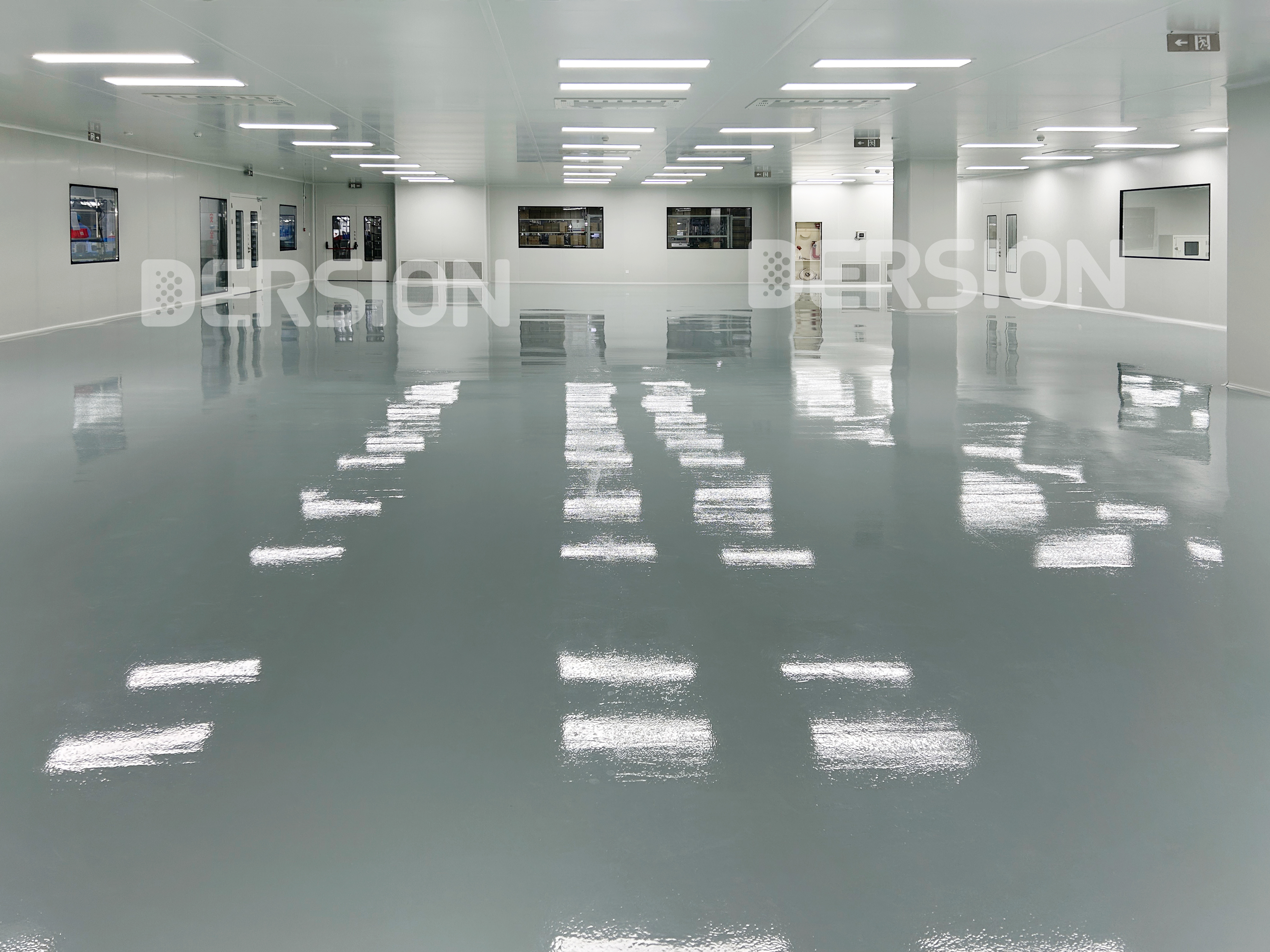
Key Design Considerations for IVD Cleanrooms
Proper cleanroom design helps maintain product quality while improving manufacturing efficiency.
Cleanroom Layout Planning
An effective cleanroom layout separates different manufacturing processes and minimizes contamination risks.
Typical areas include:
- reagent preparation rooms
- assembly areas for diagnostic kits
- packaging zones
- material transfer airlocks
- gowning rooms
Clear separation between clean and non-clean areas is essential.
Personnel and Material Flow
Personnel and materials are major contamination sources.
A well-designed IVD cleanroom should include:
- controlled personnel entry points
- multi-stage gowning areas
- dedicated material transfer airlocks
- one-way workflow for production processes
This design minimizes cross-contamination risks.
Cleanroom Construction Materials
Cleanroom construction materials must support frequent cleaning and prevent particle generation.
Common materials include:
- powder-coated cleanroom panels
- stainless steel surfaces
- anti-static cleanroom flooring
- sealed lighting fixtures
These materials help maintain stable cleanroom conditions.
HVAC Systems for IVD Cleanrooms
HVAC systems play a critical role in maintaining cleanroom performance.
Key functions include:
- HEPA filtration
- controlled air change rates
- temperature and humidity stability
- pressure cascade control
Proper airflow design ensures contaminants are effectively removed from the environment.
You can learn more about airflow engineering in our guide to GMP cleanroom HVAC design.
Common Challenges for IVD Manufacturers
Many diagnostic manufacturers face several challenges when building or upgrading cleanroom facilities.
Meeting International Standards
Manufacturers exporting products globally must comply with ISO 13485 and other regulatory requirements.
High Construction Costs
Traditional cleanroom construction requires extensive on-site work and long project timelines.
Limited Facility Flexibility
Expanding production capacity can be difficult with fixed cleanroom structures.
Long Installation Time
Traditional cleanroom projects may delay product launch schedules.
Modular Cleanroom Solutions for IVD Production
Modular cleanrooms provide a modern solution for diagnostic manufacturers.
Compared with traditional construction, modular cleanrooms offer significant advantages.
Faster Installation
Prefabricated panels allow rapid on-site assembly and shorter project timelines.
Flexible Expansion
Production capacity can be increased by expanding modular cleanroom structures.
Lower Construction Costs
Factory manufacturing reduces installation labor and project costs.
Consistent Quality
Controlled factory production ensures high-quality cleanroom components.
IVD Cleanroom Solutions by DERSION
DERSION specializes in modular cleanroom systems for regulated industries including pharmaceuticals, medical devices, laboratories, and diagnostic manufacturing.
With over 21 years of cleanroom engineering experience, DERSION offers:
- ISO-compliant cleanroom design
- integrated HVAC system solutions
- modular cleanroom manufacturing
- turnkey project delivery
- global installation support
DERSION modular cleanrooms help IVD manufacturers build compliant production environments faster while reducing construction costs and project timelines.
Conclusion
IVD cleanrooms are essential for ensuring diagnostic product accuracy, manufacturing consistency, and regulatory compliance. Proper cleanroom design must integrate ISO cleanroom standards, airflow engineering, facility layout planning, and contamination control strategies.
Modern modular cleanroom solutions provide IVD manufacturers with faster and more flexible options for building controlled production environments.
By partnering with experienced cleanroom providers such as DERSION, diagnostic companies can develop reliable manufacturing facilities that support high-quality product development and global market expansion.
Post time: Mar-31-2026