
Implant Manufacturing Cleanrooms: Requirements for Safe Medical Implant Production
Medical implants such as orthopedic implants, dental implants, cardiovascular stents, and prosthetic components must be produced in highly controlled environments to prevent contamination and ensure patient safety.
Even microscopic particles or microbial contamination can lead to serious health risks when implants are placed inside the human body. For this reason, implant manufacturing cleanrooms are essential for maintaining sterile and controlled production conditions.
This article explains the cleanroom requirements for implant manufacturing, including ISO classifications, airflow design, HVAC systems, and how modular cleanroom solutions can help manufacturers achieve regulatory compliance.
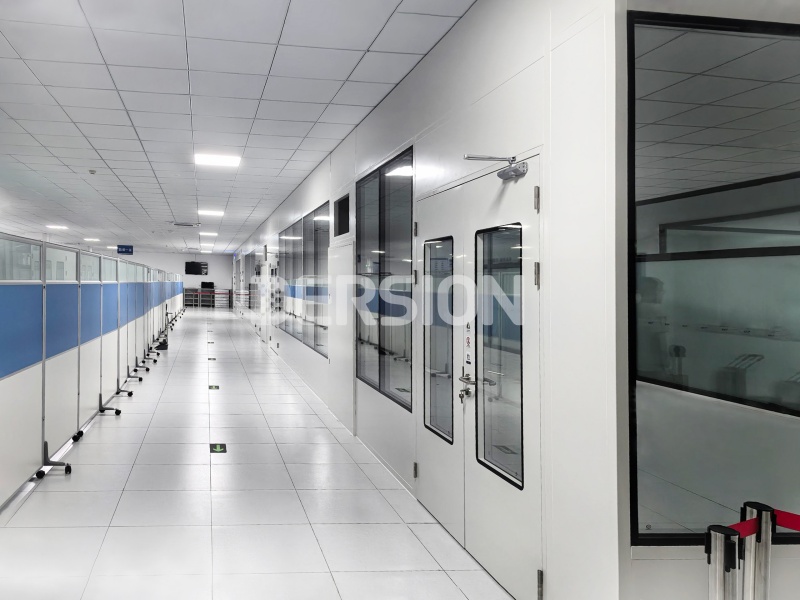
Why Cleanrooms Are Critical in Implant Manufacturing
Implantable medical devices remain inside the human body for long periods, making contamination control extremely important.
Cleanrooms help implant manufacturers:
• Prevent particulate contamination
• Reduce microbial risks
• Maintain stable environmental conditions
• Ensure product sterility and quality
• Comply with global regulatory standards
Typical implants produced in cleanroom environments include:
• Orthopedic implants
• Dental implants
• Cardiovascular stents
• Joint replacements
• Spinal implants
These devices require strict manufacturing environments to ensure reliability and patient safety.
ISO Cleanroom Classifications for Implant Manufacturing
Cleanroom environments are classified according to ISO 14644-1, which defines particle concentration limits.
Common cleanroom classes used in implant manufacturing include:
| ISO Class | Application |
|---|---|
| ISO 5 | Sterile processing and critical assembly |
| ISO 6 | Implant component handling |
| ISO 7 | Implant assembly and finishing |
| ISO 8 | Packaging and support areas |
Many implant manufacturing facilities use ISO 7 cleanrooms for assembly areas and ISO 8 cleanrooms for packaging zones.
Higher classifications such as ISO 5 laminar flow zones may be required for sterile implant processing.
Key Implant Manufacturing Cleanroom Requirements
1. Advanced Air Filtration Systems
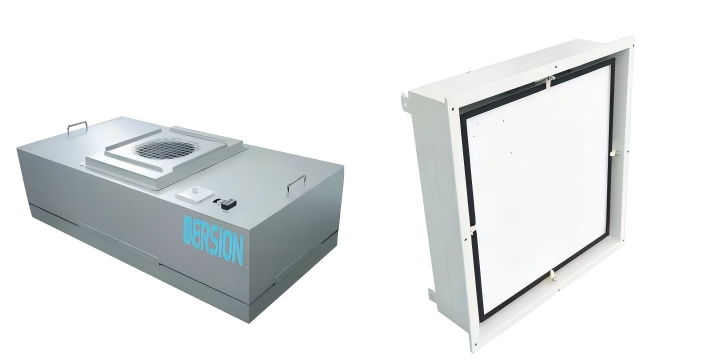
Implant manufacturing cleanrooms must use high-efficiency filtration systems to remove airborne particles.
Typical systems include:
• HEPA filters (99.97% efficiency at 0.3 μm)
• ULPA filters (99.999% efficiency)
These filtration systems help maintain controlled particle levels required by ISO standards.
2. Controlled Airflow Design
Airflow design plays a critical role in preventing contamination.
Common airflow systems include:
• Unidirectional (laminar) airflow
• Turbulent mixed airflow systems
Positive pressure environments ensure that contaminants from adjacent spaces cannot enter the cleanroom.
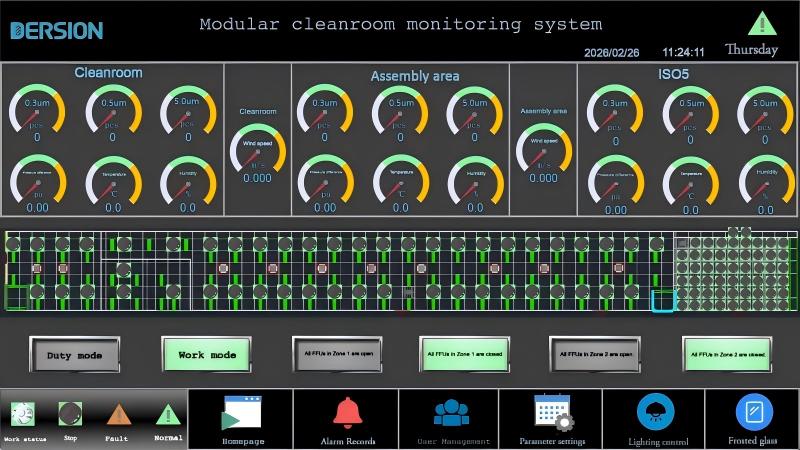
3. Temperature and Humidity Stability
Stable environmental conditions are necessary for both manufacturing precision and contamination control.
Typical environmental ranges:
Temperature
20°C – 24°C
Humidity
40% – 60% RH
These conditions prevent microbial growth and maintain material stability during implant manufacturing.
4. Cleanroom Construction Materials
Implant manufacturing cleanrooms require non-particle-generating construction materials.
Common materials include:
• Powder-coated steel cleanroom panels
• Stainless steel surfaces
• Anti-static PVC flooring
• Aluminum cleanroom frames
These materials allow easy cleaning and prevent contamination buildup.
5. Personnel and Material Flow Control
Human activity is one of the largest sources of contamination in cleanrooms.
To reduce risks, implant cleanrooms typically include:
• Airlock systems
• Gowning rooms
• Pass boxes
• Separate personnel and material entry paths
Optimized facility layout is critical for maintaining cleanroom classification.
Regulatory Compliance for Implant Cleanrooms
Implant manufacturers must meet strict international regulations.
Key standards include:
ISO 14644
Cleanroom classification and testing
ISO 13485
Quality management for medical devices
FDA GMP regulations
Manufacturing compliance requirements
EU MDR
European medical device regulation
Compliance ensures implants meet safety and quality requirements for global markets.
Challenges Implant Manufacturers Face When Building Cleanrooms
Many implant manufacturers encounter significant challenges when constructing compliant cleanroom environments.
1. Strict regulatory requirements
Implant devices require higher contamination control compared to many other medical devices.
2. High construction costs
Traditional cleanroom construction is expensive and time-consuming.
3. Long installation periods
Conventional cleanroom projects may take months to complete.
4. HVAC system complexity
Improper airflow design increases contamination risk and energy consumption.
5. Facility expansion difficulties
Traditional cleanrooms lack flexibility for future production expansion.
DERSION Cleanroom Solutions for Implant Manufacturing
DERSION provides advanced modular cleanroom systems designed specifically for medical implant manufacturing environments.
With over 20 years of cleanroom engineering experience, DERSION delivers high-performance cleanroom solutions for global medical device companies.
Turnkey Cleanroom Design
DERSION provides complete project solutions including:
• Cleanroom layout design
• HVAC system engineering
• ISO classification planning
• Compliance support
Our design team ensures that implant production facilities meet international cleanroom standards.
Modular Cleanroom Construction
Compared with traditional construction methods, DERSION modular cleanrooms provide significant advantages:
• Faster installation (40–60% faster)
• Factory prefabrication
• Reduced onsite labor cost
• Flexible expansion capability
These systems are ideal for implant manufacturers expanding production capacity.
High-Efficiency HVAC Systems
DERSION integrates advanced HVAC solutions that include:
• HEPA filtration systems
• Optimized airflow distribution
• Energy-efficient air circulation
This ensures stable environmental conditions while reducing operating costs.
Global Project Support
DERSION supports global cleanroom projects with:
• Overseas installation guidance
• US installation teams
• Australian service partners
• Remote installation support
This allows international clients to implement cleanroom projects efficiently.
Certified Cleanroom Systems
DERSION cleanroom systems comply with international certifications including:
• CE certification
• ISO certification
• UL certification
These certifications ensure reliability and regulatory compliance.
Applications of Implant Manufacturing Cleanrooms
Implant cleanrooms are widely used in the production of:
• Orthopedic implants
• Dental implants
• Cardiovascular stents
• Joint replacement components
• Spinal implant systems
Each application requires carefully designed cleanroom environments to ensure product safety and quality.
Conclusion
Implant manufacturing cleanrooms are essential for ensuring the safety, sterility, and quality of implantable medical devices.
Manufacturers must implement well-designed cleanroom environments that comply with ISO classifications, airflow requirements, and global regulatory standards.
With advanced modular cleanroom technology and extensive engineering experience, DERSION provides reliable implant manufacturing cleanroom solutions for medical device companies worldwide.
Post time: Mar-31-2026