
Food Cleanroom Requirements: Cleanliness, Temperature Control, and Cost Challenges Explained
As food safety regulations become increasingly strict, more food manufacturers are adopting cleanroom environments to control contamination risks and ensure stable production quality.
Unlike pharmaceutical cleanrooms, food cleanrooms must balance hygiene control, energy efficiency, and cost-effectiveness. Understanding their real requirements is essential before starting a project.
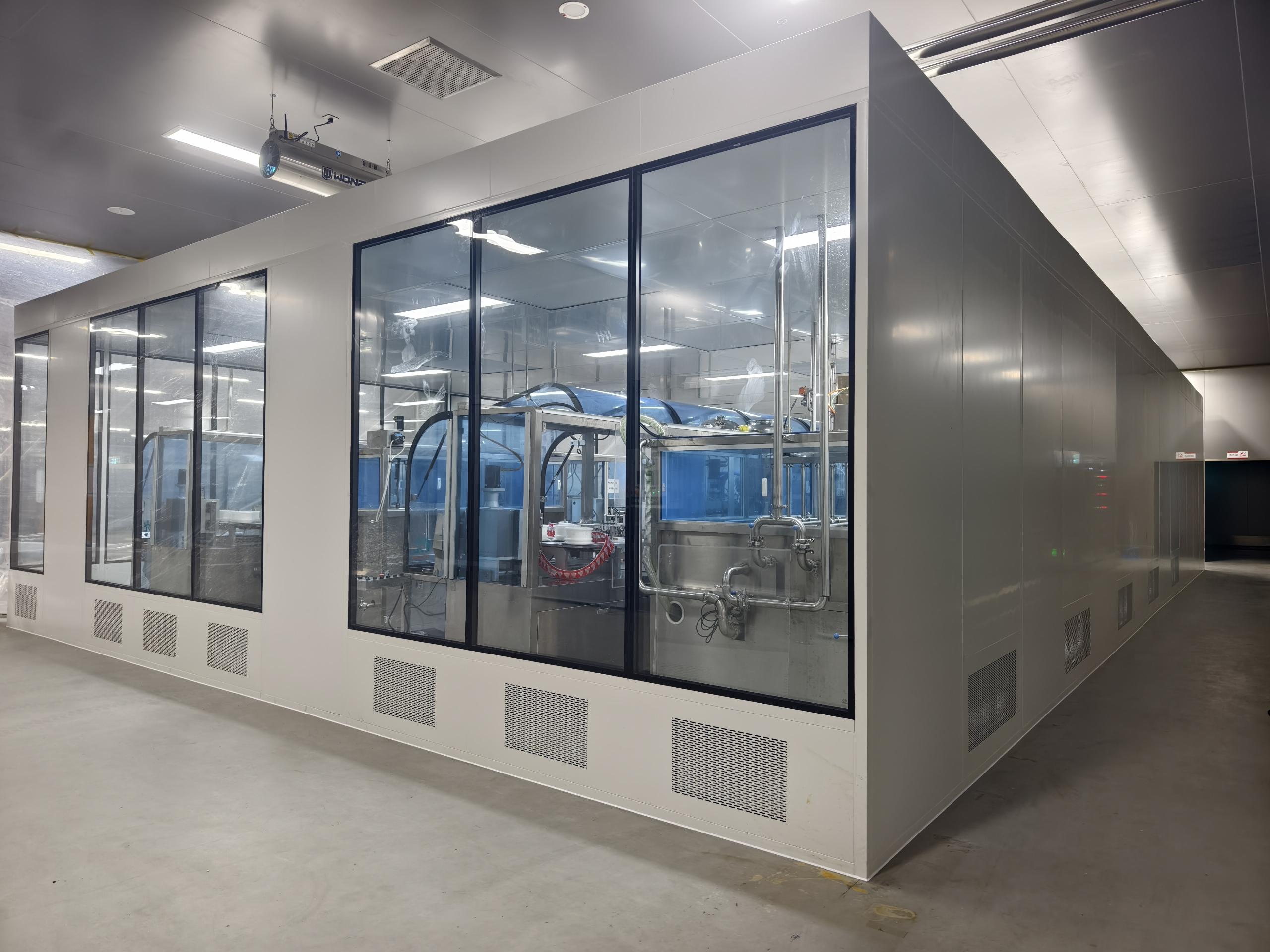
Typical Food Cleanroom Scenarios
Food cleanrooms are commonly applied in:
-
Functional food and supplement production
-
Infant formula and nutritional powder processing
-
Food additives and premix manufacturing
-
High-hygiene food packaging and filling
Each scenario has different cleanliness and environmental control requirements.
Cleanliness Levels in Food Cleanrooms
Most food processes do not require ultra-high cleanliness.
Typical standards:
-
ISO Class 8: General food packaging
-
ISO Class 7: Open processing and mixing
-
ISO Class 6: High-risk exposure areas
The key is process-based design, not blindly increasing cleanliness level.
Temperature and Humidity: The Hidden Risk Factors
Food products are highly sensitive to environmental changes.
-
High humidity → mold, clumping, product instability
-
Low humidity → static electricity, segregation
-
Temperature fluctuation → inconsistent product quality
A food cleanroom HVAC system must be designed according to:
-
Product characteristics
-
Local climate conditions
-
Energy consumption targets
Why Modular Cleanrooms Are Ideal for Overseas Food Projects
Traditional on-site construction faces challenges overseas:
-
High labor costs
-
Long construction timelines
-
Difficult coordination
Modular cleanrooms offer:
-
Factory prefabrication
-
Faster installation
-
Reduced on-site labor
-
Easier compliance control
Advantages of Chinese Cleanroom Manufacturers in Global Food Projects
Chinese cleanroom suppliers have developed strong global competitiveness through:
-
Mature modular manufacturing capability
-
Competitive cost-performance ratio
-
Experience with CE, UL, ISO, GMP, and FDA-oriented projects
-
Global logistics and overseas installation support
This makes Chinese modular cleanrooms a practical choice for international food manufacturers.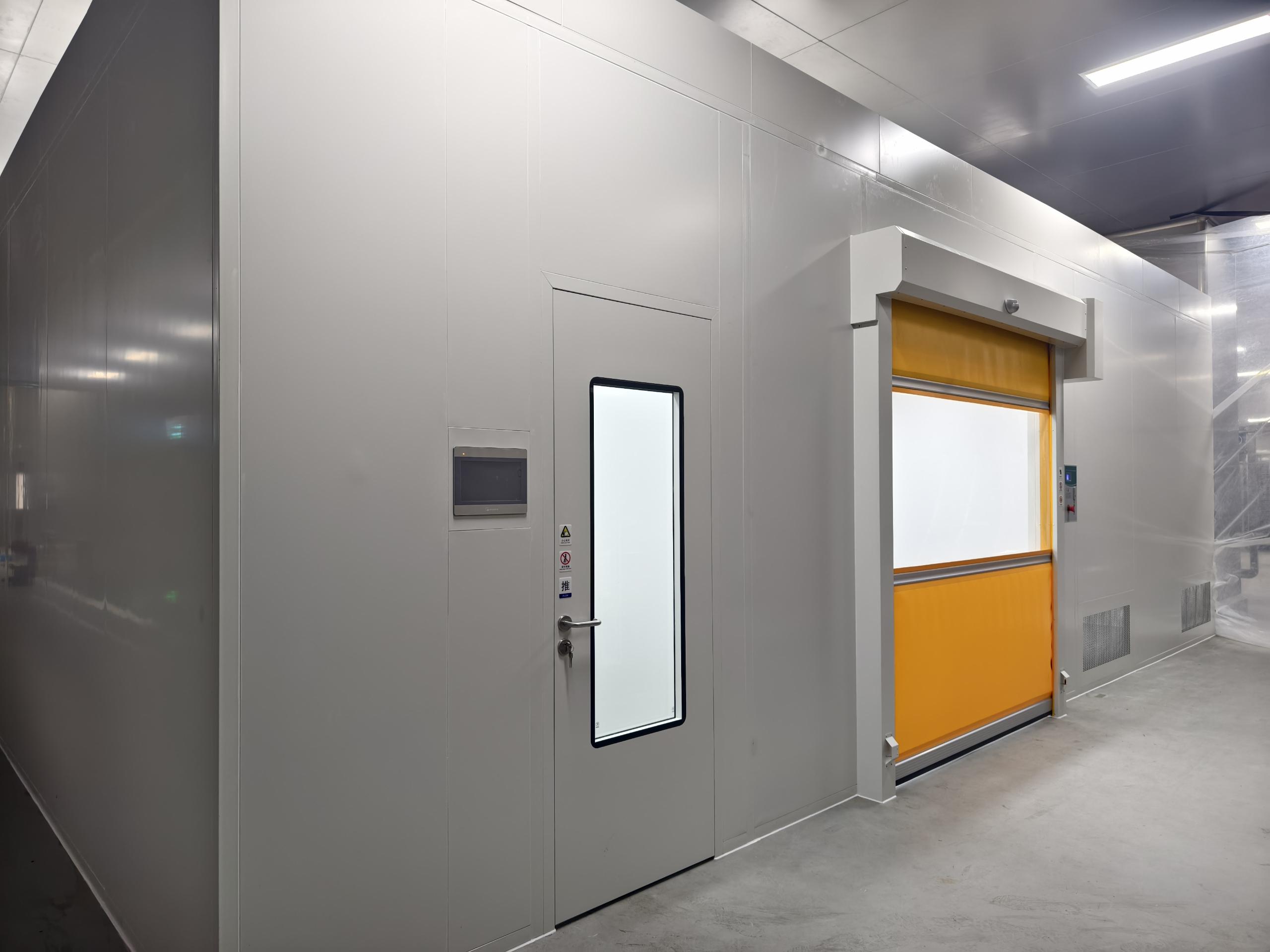
Conclusion
Food cleanrooms are not about maximum cleanliness, but right-level control, stable environment, and sustainable operation.
With a modular, compliance-oriented cleanroom solution, food manufacturers can achieve:
-
Safer production
-
Lower construction and operating costs
-
Faster project delivery
Post time: Dec-19-2025